The future is coming at us head-on. Sometimes the clearest way to understand it is sideways.
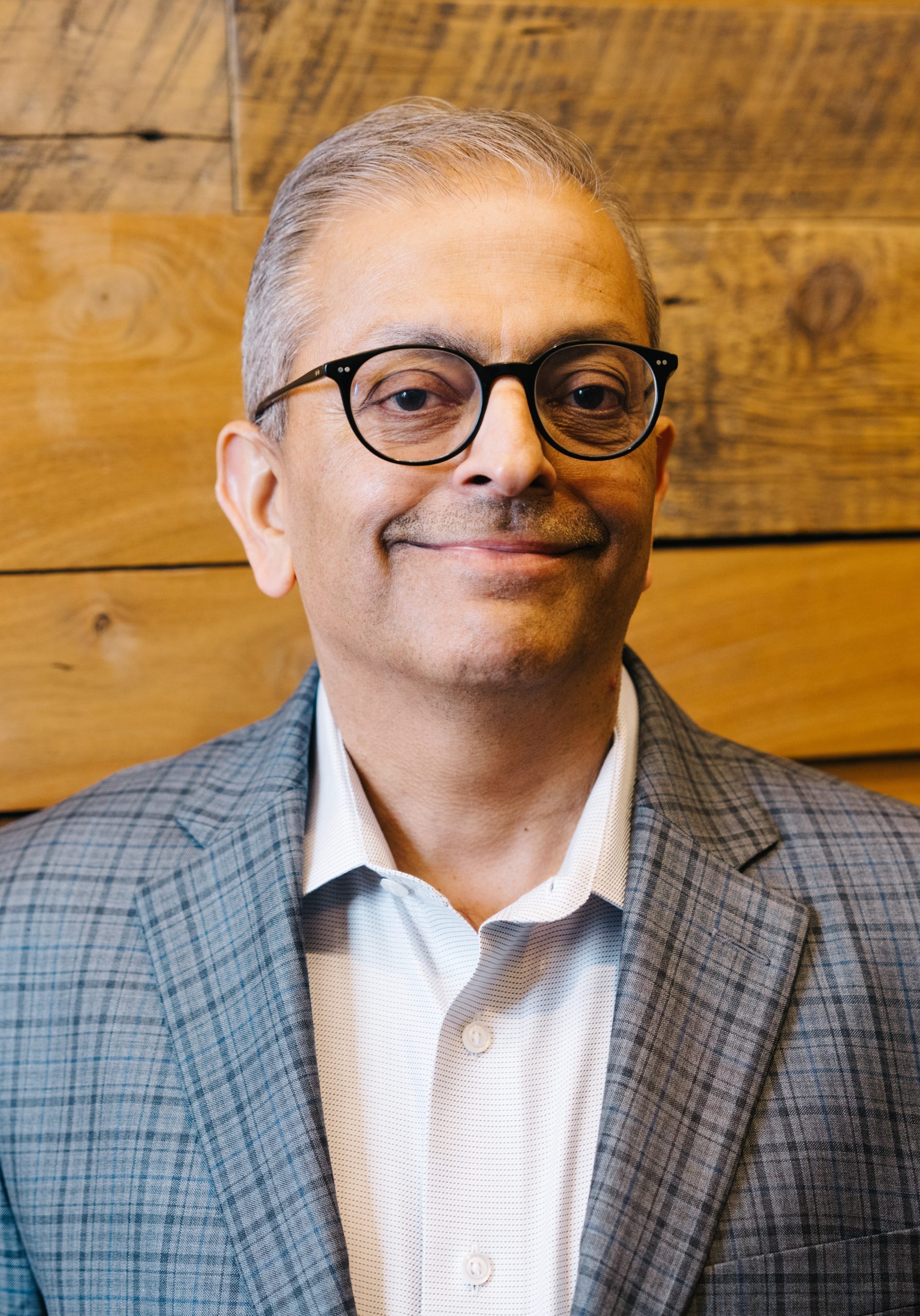
I’m a behavioral scientist, business leader, and writer interested in what enormous change does to human beings. Not just what AI does to work — what acceleration does to judgment, what disruption does to identity, what technology does to trust, and what remains when the world changes faster than we can absorb. I call it the human residue of enormous change.
The technology isn’t the most interesting part.
AI will get better. Machines will grow more capable. Industries will be remade. Those are important stories — but increasingly, I think they’re only half of it.
The question that interests me more is: what is all of it doing to us? To our judgment, our identity, our ambition, our capacity to lead — and to stay recognizably human while the systems around us become less so.
Most transformation ends when the strategy is approved or the technology is deployed. That’s usually where I want to begin — with what gets left behind. The human residue.
A different way of looking.
I’ve spent most of my life studying people. Somewhere along the way I became less interested in having more answers and more interested in finding better angles. Four recurring ways of looking run through everything I write — and everything I do in a room.
The Angle
Everyone may be looking at the same thing. That doesn’t mean they’re standing in the right place. Move. Change the angle. See what becomes visible.
The Assay
Every era has beliefs everyone knows to be true. Put one under pressure. Test it against how people actually behave. See what survives.
Small Door. Large Room.
The enormous hides inside the ordinary. A commute. A chord. A joke that dies. A dog at the window. Enter through the small door, and follow it until the room gets bigger.
The Human Residue
After the implementation, the merger, the transformation, the presentation — ask what happened to the humans. That’s often where the consequential story begins.
Big truths rarely use the front door. A lesson about innovation might begin with a blues harmonica played in the wrong key. A meditation on mortality, with a song heard a hundred times and suddenly understood. A reflection on ambition, with a conversation with a twenty-one-year-old. I start somewhere small and follow it until the room gets bigger.
I don’t come into a room to give people more information. I come to change the angle.
Staying Human in an Accelerating Age
When machines get more capable, the advantage tilts toward what stays human — judgment, curiosity, empathy, trust, courage, meaning.
The Wrong Key
Why the next breakthrough may require using today’s rules incorrectly. Productive misuse, from a harmonica to a strategy.
The Human Residue of Enormous Change
Every transformation changes the business. It also changes the humans inside it — and leaders who see that build change that survives.
The Centaur Delusion
Why the future isn’t Human + AI, but human orchestration of many intelligences. For strongly AI-oriented rooms.
Part behavioral science, part four decades of scar tissue, and — a holdover from my years doing stand-up — not boring.
The most dangerous assumptions are the ones nobody thinks to question.
Hard strategic problems rarely suffer from a shortage of smart people. They suffer from consensus — familiar frames, inherited assumptions, and answers that became obvious before the question was examined closely enough. My advisory work interrupts that.
Put the idea under pressure. See what survives.
A focused session for a leadership team facing a consequential belief, decision, or plan. We find the assumptions underneath the strategy — then we attack them. The goal isn’t to destroy the idea. It’s to make the surviving one stronger.
Change the frame
A customized half-day built around one important question.
A thinking partner
Ongoing counsel for CEOs and founders in ambiguity — with permission to disagree.
Small room, real conversation
Curated conversations for boards and senior teams. One consequential question.
Forty years. Three books. One enduring obsession.
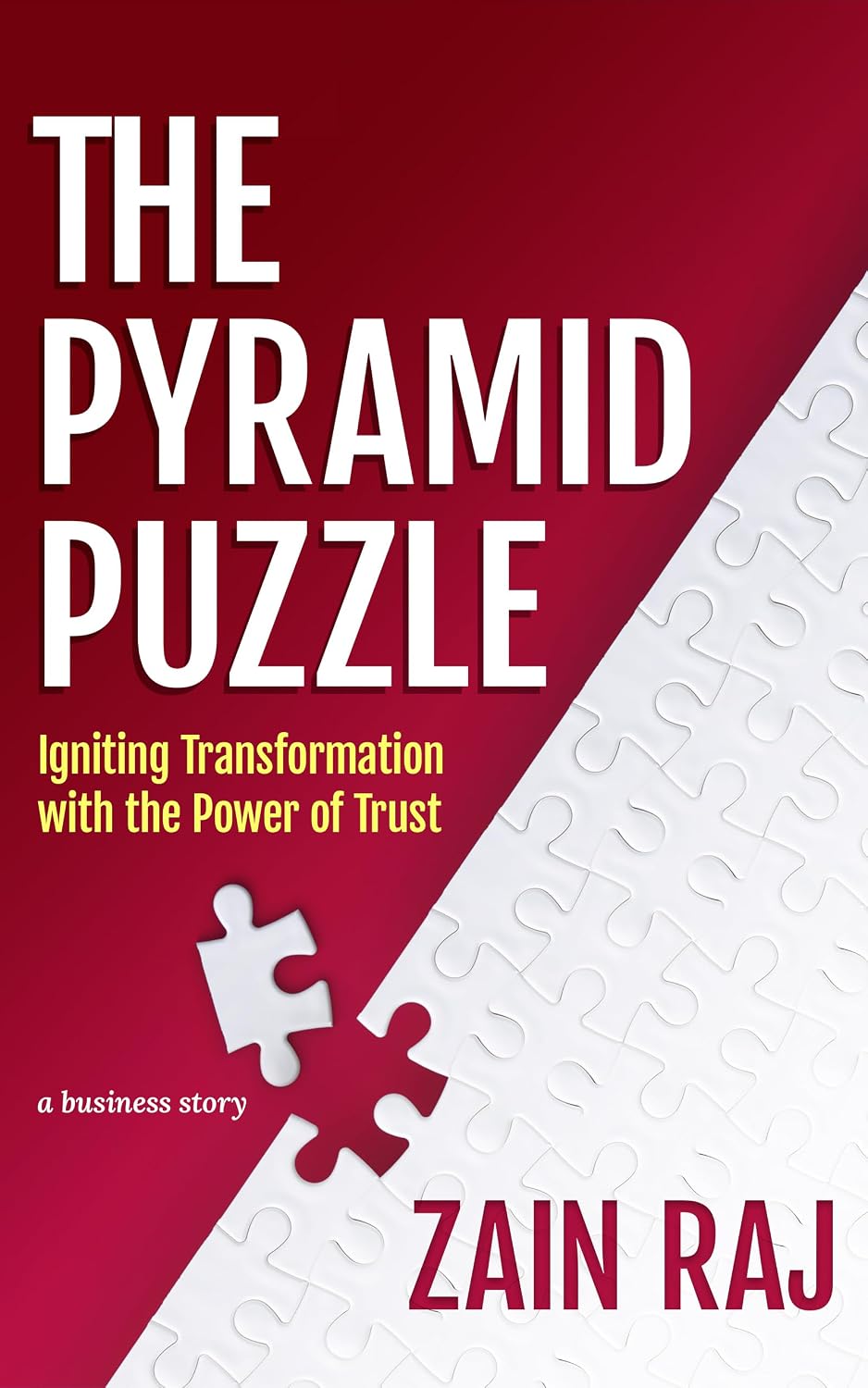
The Pyramid Puzzle
Igniting Transformation with the Power of Trust
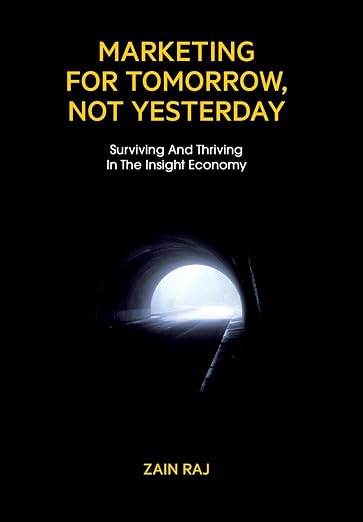
Marketing for Tomorrow, Not Yesterday
Surviving and Thriving in the Insight Economy™
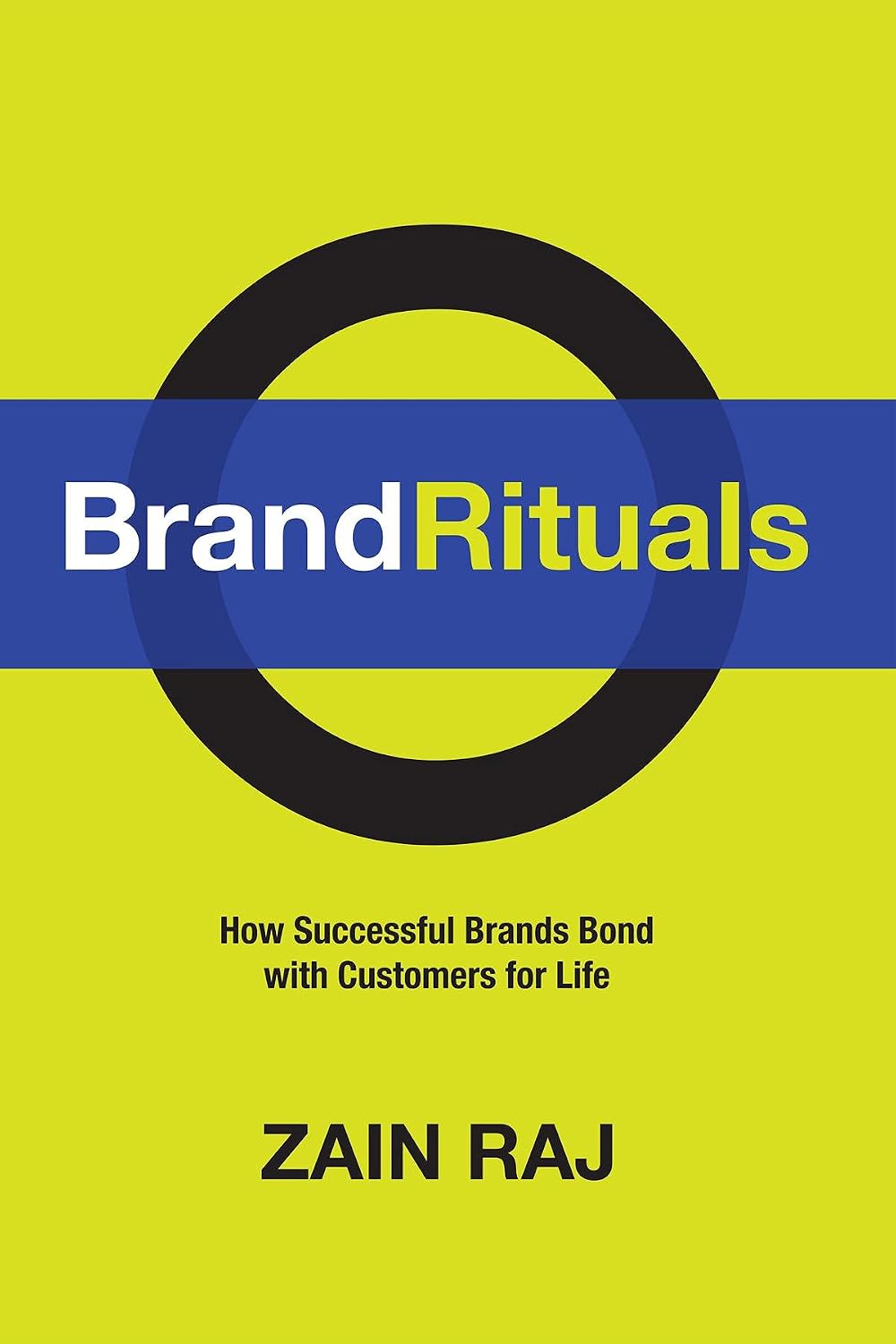
Brand Rituals™
How Successful Brands Bond with Customers for Life
I was born in India, came to America with two suitcases, and built a life and career across cultures, categories, and companies. For four decades I’ve worked at the intersection of behavioral science, brands, and business — today as Chairman & CEO of Shapiro+Raj, and the author of three books, including a Wall Street Journal bestseller.
But some of what taught me most never happened in a boardroom. I play guitar and harmonica. For a while I did stand-up — I came second in a competition once, which is an elegant way of saying I lost. And some of the most consequential lessons arrived much later, and weren’t ones I’d have chosen.
Somewhere in all of it, I realized I’d been circling the same territory for most of my life. The truth arrives sideways. That became Lateral Truths.
One thought. One angle. One small door.
Lateral Truths arrives regularly with an essay about what an accelerating world reveals about the people trying to live inside it. No productivity hacks. No breathless predictions. Just another way of seeing.
Small door.
Large room.
The future is coming at us head-on. Sometimes the clearest way to understand it is sideways.